


From underwater hockey and quadball to theatre on ice and world championship horseshoe pitching, Greater Lansing has become one of the most welcoming destinations in sports tourism for emerging and nontraditional events.
At the heart of that success is the Lansing Sports Commission, which has built a reputation for creating opportunities for sports communities of all kinds – from long-standing championships to emerging competitions finding their footing.
“We’ve built our reputation on staying open-minded,” said Meghan Ziehmer, Executive Director of the Lansing Sports Commission. “Rather than solely focusing on traditional tournaments, we made a conscious decision to start at the local level and see where the interests of our partners and sports organizations were.”
That philosophy has helped Greater Lansing develop an unusually diverse sports portfolio. Strong partnerships with local facilities, community organizations, and Michigan State University Club Sports have opened the door to events ranging from esports and adaptive sports to dodgeball, underwater hockey, and theatre on ice.
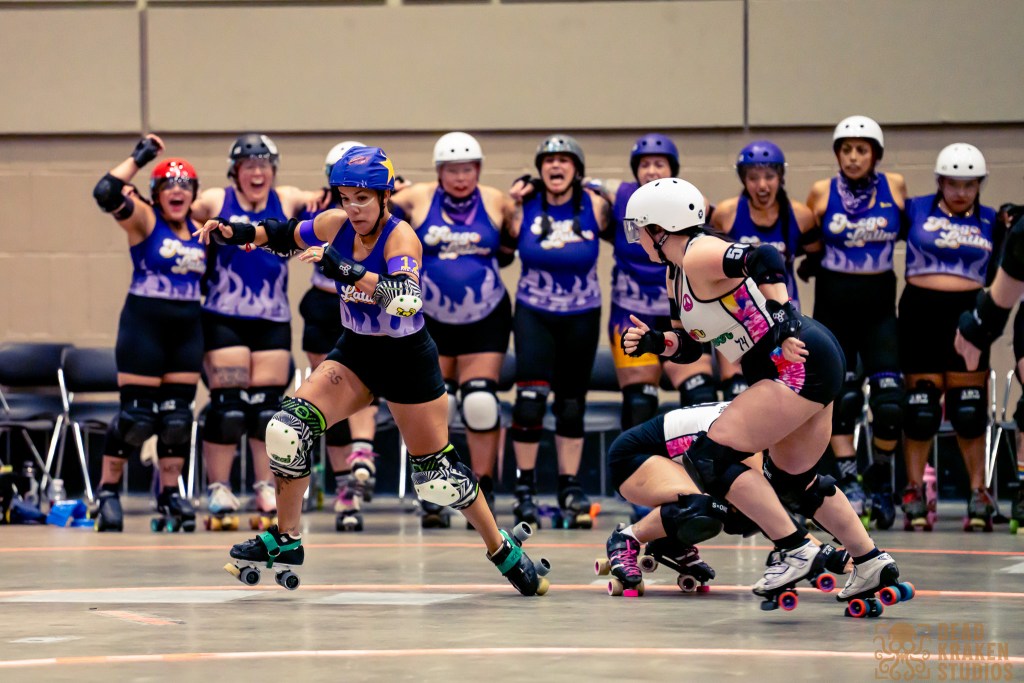
For Lansing, supporting these events isn’t just about filling dates on a calendar. It’s about creating a destination where every sports community feels valued. “Emerging and nontraditional sports bring engaged participants and strong followings,” Ziehmer explained. “They allow us to diversify our event portfolio and create a more welcoming destination for a broader range of visitors.”
The impact extends far beyond competition venues. Local businesses, attractions, hotels, and restaurants benefit from introducing new audiences to the region, while residents gain exposure to sports they may have never encountered before.

Perhaps no event better illustrates that impact than the 2022 National Horseshoe Pitchers Association World Tournament. To prepare for the event, organizers transformed the Lansing Center into a world-class horseshoe venue, trucking in 15 tons of Kentucky blue clay and constructing competition pits inside the convention center. What initially raised eyebrows across the community ultimately became one of Lansing’s most memorable sports tourism success stories.
“Many questioned the event leading up to it,” Ziehmer recalled. “But seeing more than 1,000 horseshoe pitchers in Lansing for two weeks was truly amazing.” The event left such an impression that local hotels, restaurants, campgrounds, golf courses, and attractions still ask when the tournament might return.

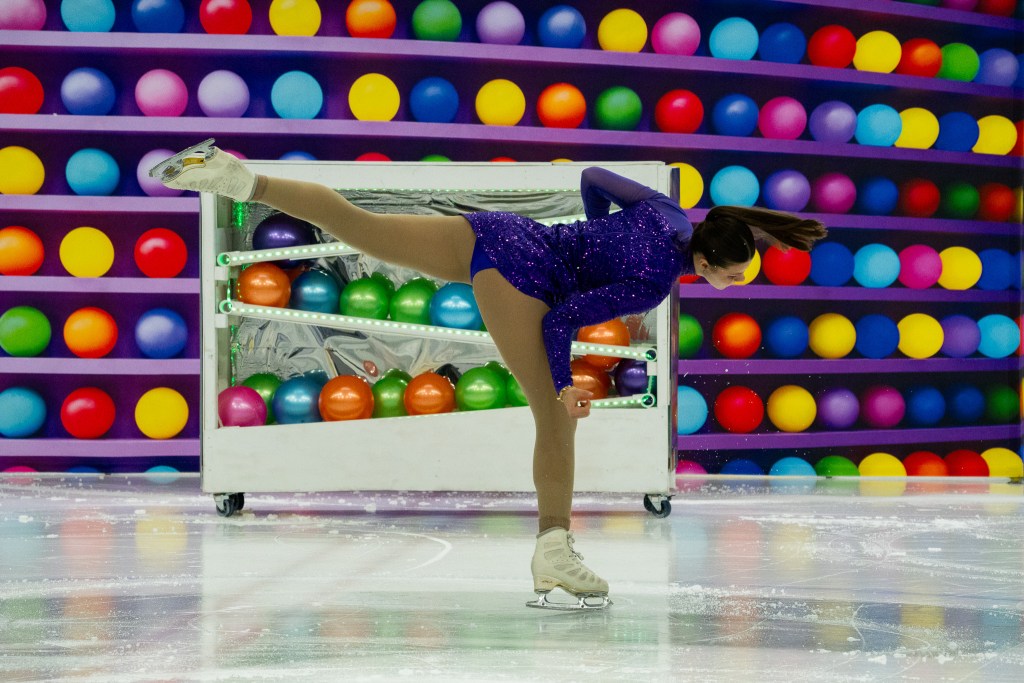
More recently, Greater Lansing welcomed the 2026 Nations Cup Theatre on Ice competition, bringing nearly 1,000 skaters from 48 teams representing five countries. Combining the athleticism of figure skating with theatrical storytelling, the event offered residents a unique glimpse into a sport many had never experienced firsthand.
Yet what stood out most wasn’t just what happened on the ice. Teams explored the region throughout their stay, visiting the Michigan State University campus, touring the Michigan State Capitol, dining at local restaurants, and sharing their experiences across social media.
“They were everywhere,” said Ziehmer. “People started sending us videos of theatre on ice skater sightings throughout the region.”

That community engagement reflects one of Greater Lansing’s greatest strengths as a host destination. Located within 90 minutes of nearly 90 percent of Michigan’s population and within a three-hour drive of several major metropolitan markets, Lansing combines accessibility with a collaborative, personalized hosting approach.
“As we like to say, we’re large enough to host, but small enough to make our partners feel welcomed and appreciated,” Ziehmer said.
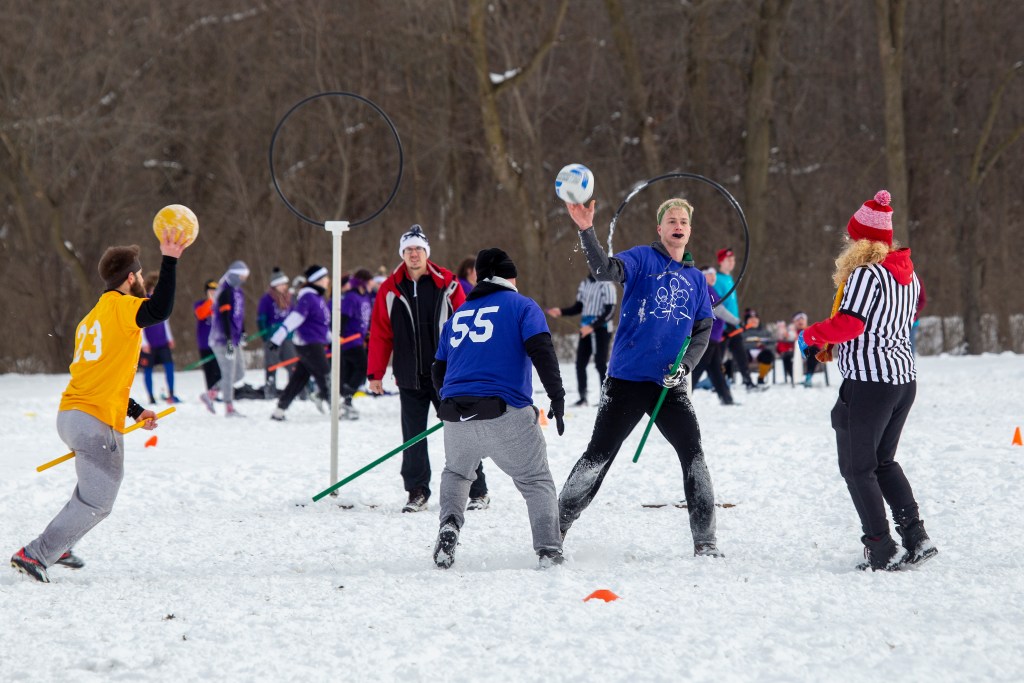
Looking ahead, the Lansing Sports Commission continues to explore opportunities in adaptive sports, esports, international niche championships, and other emerging competitions. The goal isn’t simply to attract the next big event – it’s to continue building a destination where every sports community, regardless of size, receives the same level of attention and support.
“In Greater Lansing, we pride ourselves on being more than a host city,” Ziehmer said. “We’re a true partner.”

That mindset has become a defining part of Greater Lansing’s identity. Whether welcoming thousands of theatre on ice athletes, transforming a convention center into a horseshoe championship venue, or helping a growing sport find its footing, Lansing continues to prove that innovation in sports tourism often starts by saying yes.
And sometimes, the events that seem the most unconventional end up leaving the biggest impact.
You must be logged in to post a comment.